


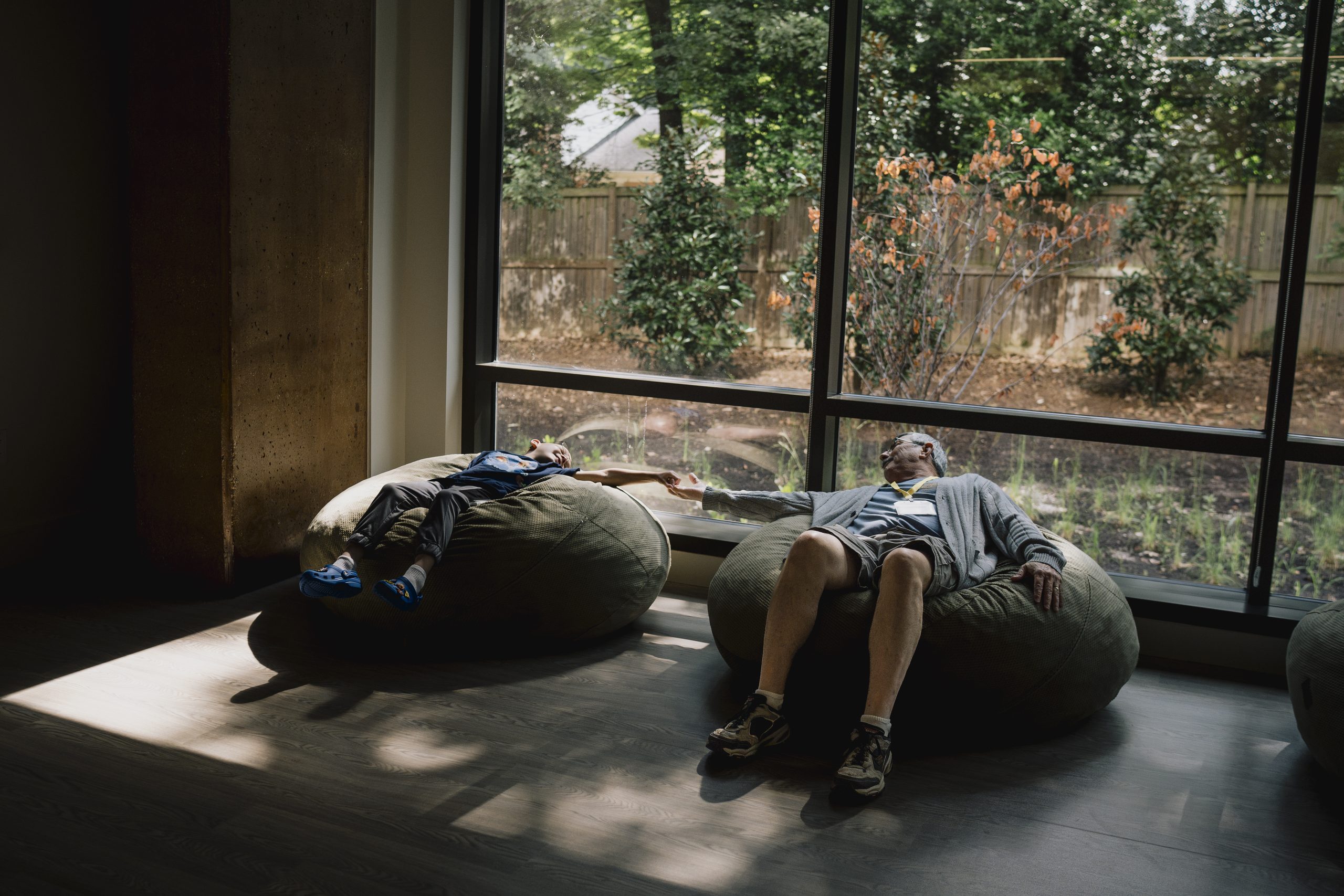
What does a boy’s day look like? School, play, sports, conversations with friends and time with family. These everyday experiences gradually shape his attitude towards health: whether rest has a place in his routine, whether he feels comfortable talking about pain and whether there is someone he can turn to when he is worried. Adults’ example and willingness to listen help children understand that looking after themselves is a natural and necessary part of life.
International Men’s Day, observed on 19 November, is an opportunity to celebrate boys and men, recognise their contributions to families and society, and draw attention to their health. We also use this occasion to reflect on childhood, when habits and experiences that may influence later life begin to take shape.
Healthy Habits Develop Through Everyday Life
Caring for boys’ physical health begins with the needs shared by all children: sufficient sleep, a varied diet, regular physical activity and rest. The World Health Organization also highlights the importance of healthy sleep patterns, physical activity and a supportive environment for adolescents’ mental well-being. who.int
These habits need to fit into family life. A walk together, a bike ride or outdoor play can become an enjoyable part of the day. Children do not have to take up competitive sports. What matters is finding activities they enjoy that suit their interests and abilities.
There also needs to be time for rest between school, extracurricular activities and other commitments. Adults can help by reviewing children’s schedules with them and establishing a predictable routine. Alongside asking about grades and achievements, it is worth asking whether children feel rested and have enough time for themselves.
Boys Need Opportunities to Talk About Their Feelings
Boys experience joy, fear, sadness, disappointment and uncertainty, just as other children do. However, being told to be tough or stop complaining can make it harder to talk about pain or worries. UNICEF identifies expectations that boys should always be tough and hide their emotions as an example of restrictive gender stereotypes. UNICEF Asia Pacific
We can offer a different message: it is okay to talk about how you feel. Saying “Thank you for telling me” or “I want to understand how you’re feeling” can help open a conversation without judgement or pressure.
Not every child can immediately put their feelings into words. Sometimes a shared activity, a walk or a quiet moment in the evening provides a better opportunity to talk. It is important to allow time and show that we will listen, even when a child’s experience differs from what we expected.
We Can Model How to Seek Help
Children notice how adults look after their own health. When a father, grandfather or another trusted person visits a doctor, discusses concerns and follows professional advice, children see a practical example of self-care.
In everyday conversations, we can explain that pain, persistent discomfort or worries should be shared with a trusted adult. Questions about the body and the changes that come with growing up also deserve calm, age-appropriate answers. If we do not know the answer, we can seek advice from a doctor together.
Respecting a child’s privacy matters, too. A question they do not want to discuss in front of others is still important. Opportunities to talk calmly and without ridicule help maintain trust.
When Additional Support May Be Needed
Every child has difficult days. However, if parents notice persistent or significant changes in their child’s well-being, behaviour, sleep, relationships or participation in everyday activities, it is worth discussing these with the family doctor. Where necessary, the doctor can help assess what further support may be appropriate.
Parents do not have to make a diagnosis or find every answer themselves. The aim is to understand what the child needs. The World Health Organization emphasises the importance of early recognition, access to care and reducing stigma when supporting adolescents’ mental health. who.int
Medical Consultations Need to Be Within Reach
For families, caring for a child’s health also involves practical questions. Where does the specialist see patients? How can we get to the appointment? Will we need to miss work and school? Distance and travel expenses can make accessing care more difficult.
At Ronald McDonald Māja Latvijā, we provide free medical specialist consultations for children in regions across Latvia through our Children’s Health Bus, closer to where they live. We help reduce these barriers so that families can discuss concerns with a doctor, have their child’s health assessed and receive recommendations on what to do next.
In our work, caring for children is closely connected to supporting families. Parents need clear answers, while children need attentive and respectful care.
Our Wishes for Boys and Men
On International Men’s Day, we wish boys opportunities to grow, explore their interests and feel safe talking about their well-being. We wish men good health, time for themselves and their loved ones, and people who are ready to listen.
For us as adults, this day is also a reminder to be present: to notice, ask questions and help children access support. Through everyday actions, we can create an environment in which every boy knows that his health and feelings matter.
Together, we stand with families.
Learn more about our work: bernuveselibasbusins.lv