


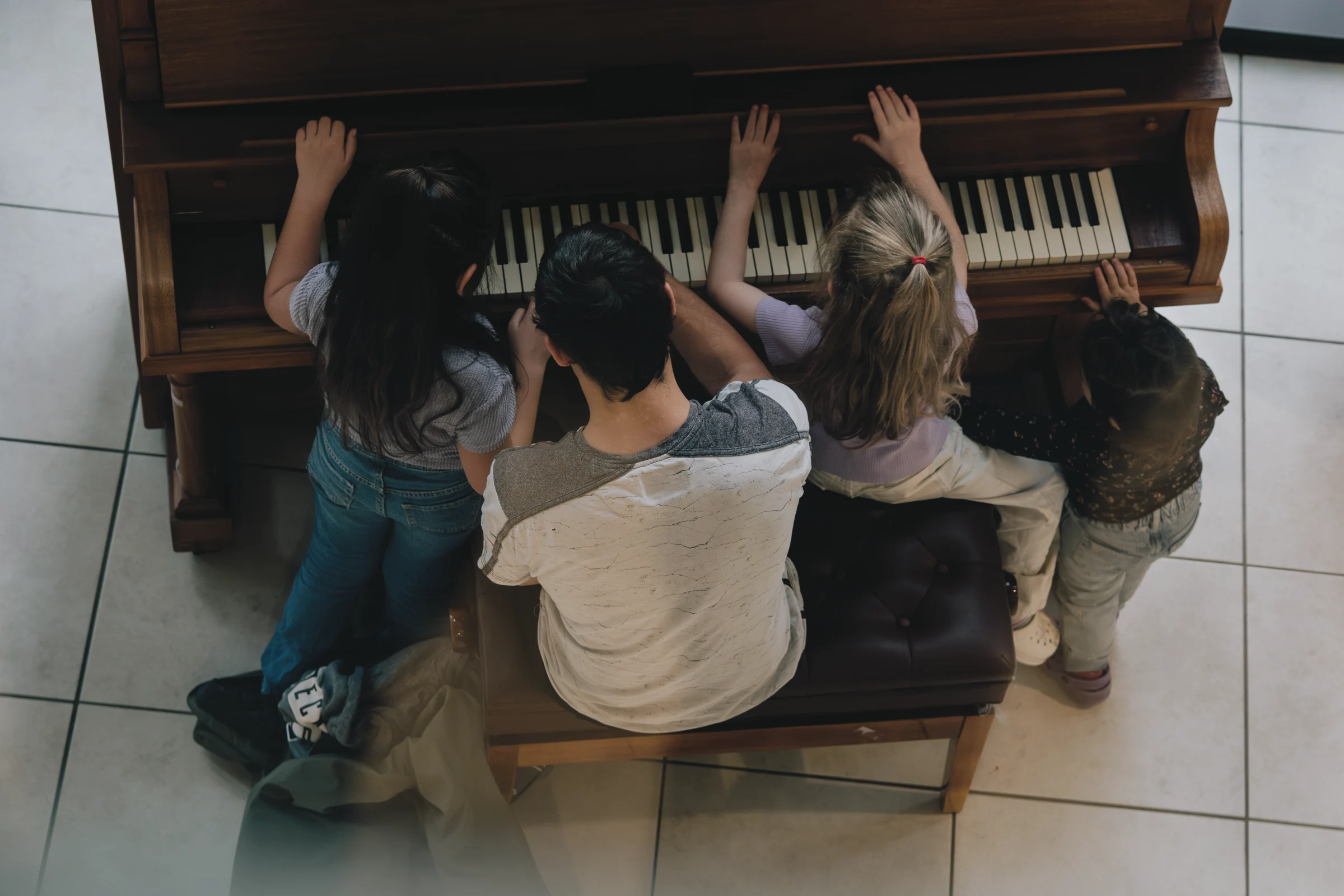
A child’s health shapes their ability to grow, learn, play, build friendships and explore the world with confidence. It includes physical well-being, emotional security and access to help when it is needed. In recognition of Child Health Day, we invite everyone to consider how we can support children’s health in everyday life and work together to make healthcare more accessible to every family.
In the United States, Child Health Day is observed on the first Monday in October, which falls on 5 October 2026. Although this tradition originated in the US, its message is equally relevant here in Latvia: children’s health needs ongoing attention. This is an opportunity to reflect on family routines, listen to children’s needs and remember that caring for their health is a year-round commitment. NYSenate.gov
Many habits formed in childhood continue into adulthood. Regular meals, physical activity, rest and open conversations within the family help create an environment in which children can feel well. Parents do not need to introduce an entirely new routine in a single day. It is easier to begin with one manageable change: a family walk after dinner, a calmer evening routine or time to talk without phones. What matters is making these small steps a regular part of daily life.
Rest and Movement in a Child’s Daily Life
Sleep is essential to a child’s day. Schoolwork, extracurricular activities, and the desire to spend time with friends can sometimes push rest to the back burner. Even on busy days, however, it is important to allow enough time for sleep according to the child’s age. A consistent bedtime, quiet evening activities and putting screens away before bed can help establish a regular sleep routine. Families can agree on evening habits that are practical enough to maintain even when life gets busy.
Opportunities to be active are just as important. Physical activity benefits children’s and adolescents’ fitness, bone health and emotional well-being. Movement can take many forms: outdoor play, dancing, cycling, walking or organised sports. Children are more likely to join in when they enjoy the activity and it suits their abilities. Adults taking part can also turn physical activity into enjoyable time spent together. who.int
Exploring Nutrition Together
Variety is central to a nutritious diet. Vegetables, fruit, whole-grain foods and different sources of protein help create balanced meals. The World Health Organisation recommends limiting the consumption of free sugars and salt. Simple everyday choices can help: offering water as the usual drink, planning regular meals and gradually introducing children to different flavours. who.int
Preparing food together can provide an opportunity to talk and learn new skills. Depending on their age, children can help choose ingredients, wash vegetables or set the table. When talking about food, it is helpful to focus on flavour, variety and how we feel, while avoiding criticism of a child’s body or weight. The aim is to help children develop a positive and relaxed relationship with food.
Emotional Well-Being Is Part of Children’s Health
Children need to feel that they are heard and that their concerns matter. Difficulties at school, disagreements with friends or fear of a new situation can feel overwhelming to a child. Adults can help by making time to talk and listening without immediately offering advice. UNICEF emphasises the importance of listening and responding supportively when discussing emotional well-being with children. UNICEF Parenting
Sometimes it is easier to begin with a specific question: “What made you happy today?” or “Was anything difficult today?” Children may not always be ready to answer straight away. What matters is knowing that there will be time to talk later, too. If changes in a child’s well-being or behaviour cause concern, seeking support is a responsible step. Parents do not have to face their questions alone.
Timely Care and Support for Families
Caring for children’s health also means having opportunities to discuss concerns with a doctor, receive necessary examinations and follow specialists’ recommendations. A family doctor is an important partner with whom to discuss a child’s development, preventive care and any symptoms or concerns. A medical appointment also allows parents to receive clear information and helps children gradually become familiar with healthcare.
However, families’ ability to reach a specialist varies. Attending an appointment may involve travel expenses, taking a day off work and making complicated arrangements for the whole family. At Ronald McDonald Māja Latvijā, we work to help reduce these barriers. Through our Children’s Health Bus, we provide free medical specialist consultations for children in regions across Latvia, closer to where they live.
Our work combines care for children with practical support for families. Being able to see a specialist closer to home helps families take the next step in their child’s healthcare. We want parents to have opportunities to ask questions, receive a doctor’s assessment and gain a clearer understanding of what to do next.
In recognition of Child Health Day, we invite everyone to choose one thing they can do for a child’s health this week. It might be an active afternoon together, a conversation about how the child is feeling or booking a necessary medical appointment. By supporting our work, you can also help other families access specialist consultations closer to home. Caring for children’s health takes attention, accessible support and a shared commitment.
We are here for families, together!
Donate at: bernuveselibasbusins.lv/ziedot